Cetearyl Alcohol
A fatty alcohol that builds creamy body and soft emollience.
Why Cetearyl Alcohol ?
Thicken
Builds a rich, creamy body in lotions and creams.
Soften
Leaves skin feeling soft, smooth and conditioned.
Stabilize
Supports emulsion stability for consistent texture over time.
When to Use
Best considered when developing recovery-focused and anti-aging skincare formulas where a fresher, smoother and more resilient-looking complexion is desired.
Better Together
Explore ingredient that can completed Cetearyl Alcohol in a formulation
Become Formula
See how Cetearyl Alcohol can become different product experiences
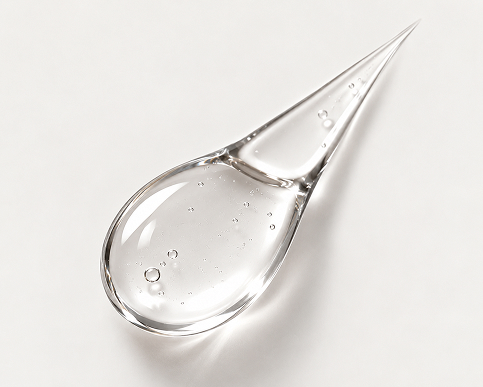
Serum
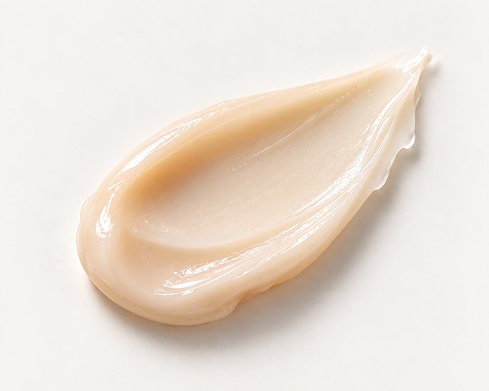
Balm
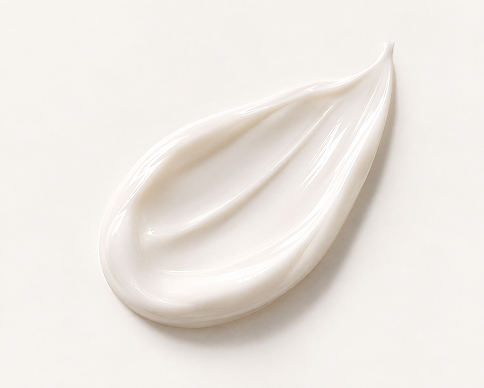
Cream
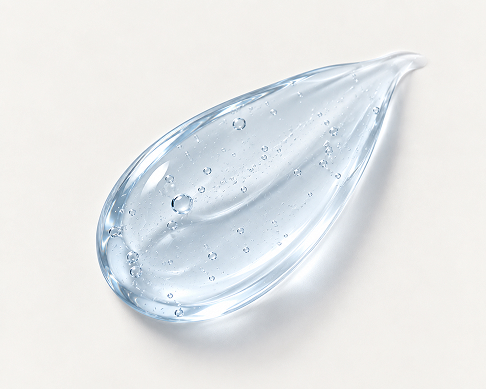
Gel
Everything you need to know about Cetearyl Alcohol
Cetearyl Alcohol is a plant-derived fatty alcohol that thickens, stabilizes and softens. Despite the name, it is non-drying and is a cornerstone ingredient in creams and lotions.
What are the benefits of Cetearyl Alcohol for the skin?
Cetearyl Alcohol works as an emollient that helps reduce roughness and dryness.
Unlike volatile alcohols, it is mainly used to improve softness and emulsion stability.
When should you use Cetearyl Alcohol
Skincare containing Cetearyl Alcohol can be used in both morning and evening routines. Consistent use matters more than choosing a particular time of day.
Apply products from the lightest to the richest texture, finishing with moisturizer. In the morning, complete the routine with sunscreen to help protect the results of your skincare.
Is Cetearyl Alcohol suitable for sensitive skin
Cetearyl Alcohol can be used by a wide range of skin types, including sensitive skin, when formulated at an appropriate level. It does not work by exfoliating the skin.
Comfort still depends on the complete product. Perform a patch test before regular use if your skin is highly sensitive or easily reactive.
Can Cetearyl Alcohol be used with other actives?
Cetearyl Alcohol can be used in formulas with Glyceryl Stearate, Ceramide NP, Shea Butter, and Hyaluronic Acid. This combination does not require a special waiting period unless the product directions say otherwise.
Because its role is mainly to support the formula, this ingredient does not restrict the use of other actives. Final compatibility depends on the fully formulated product.